 May 14, 2026
If your website was built before 2024, there is a very high chance it is quietly costing you money e[...]


If your website was built before 2024, there is a very high chance it is quietly costing you money every single day. Not because it looks bad — but because it was designed for a different era of the internet, a different type of customer, and a different set of search engine expectations.
According to research by Forrester, every SGD 1 invested in improving user experience (UX) returns an average of SGD 100 over the full customer lifecycle, a 9,900% ROI. Yet most Singapore SME websites still follow design conventions from 2019 or earlier, long before AI search, mobile-first indexing, and Core Web Vitals became the dominant ranking signals they are today.
At Awebstar Technologies, recognised by many businesses as the Best Website Design Company for conversion-focused digital solutions, we have redesigned over 500 websites for Singapore businesses across retail, F&B, professional services, and e-commerce. In this guide, we break down the nine web design trends for 2026 that are actually moving the needle on conversions, not just design awards.

In 2026, an estimated 30–40% of all Google search queries will surface an AI-generated answer at the top of results, before any traditional website links. These are called Google AI Overviews (previously Search Generative Experience). For Singapore businesses, this is both a threat and a massive opportunity.
Generative Engine Optimisation (GEO) is the practice of designing and structuring your website so that AI systems can easily read, summarise, and cite your content in these AI-generated answers. Combined with modern SEO services in Singapore, GEO helps businesses improve visibility across Google AI Overviews and AI-powered search experiences.
Unlike traditional web design, that focused on keyword placement, a GEO-optimised design is built around entity-based content. Every page on your website should clearly define: who you are, what product or service you provide, who it is for, what problem it solves, and why you are the best option. These entities should be reflected not just in the copy, but in the visual hierarchy, headings, structured data, and layout.The most effective GEO design pattern in 2026 is the Answer First hero section. Instead of a vague tagline like “We build beautiful websites,” the first section of your page should immediately answer the visitor’s most likely question. For example: “Conversion-focused web design for Singapore SMEs from SGD 3,000, PSG grant eligible.”
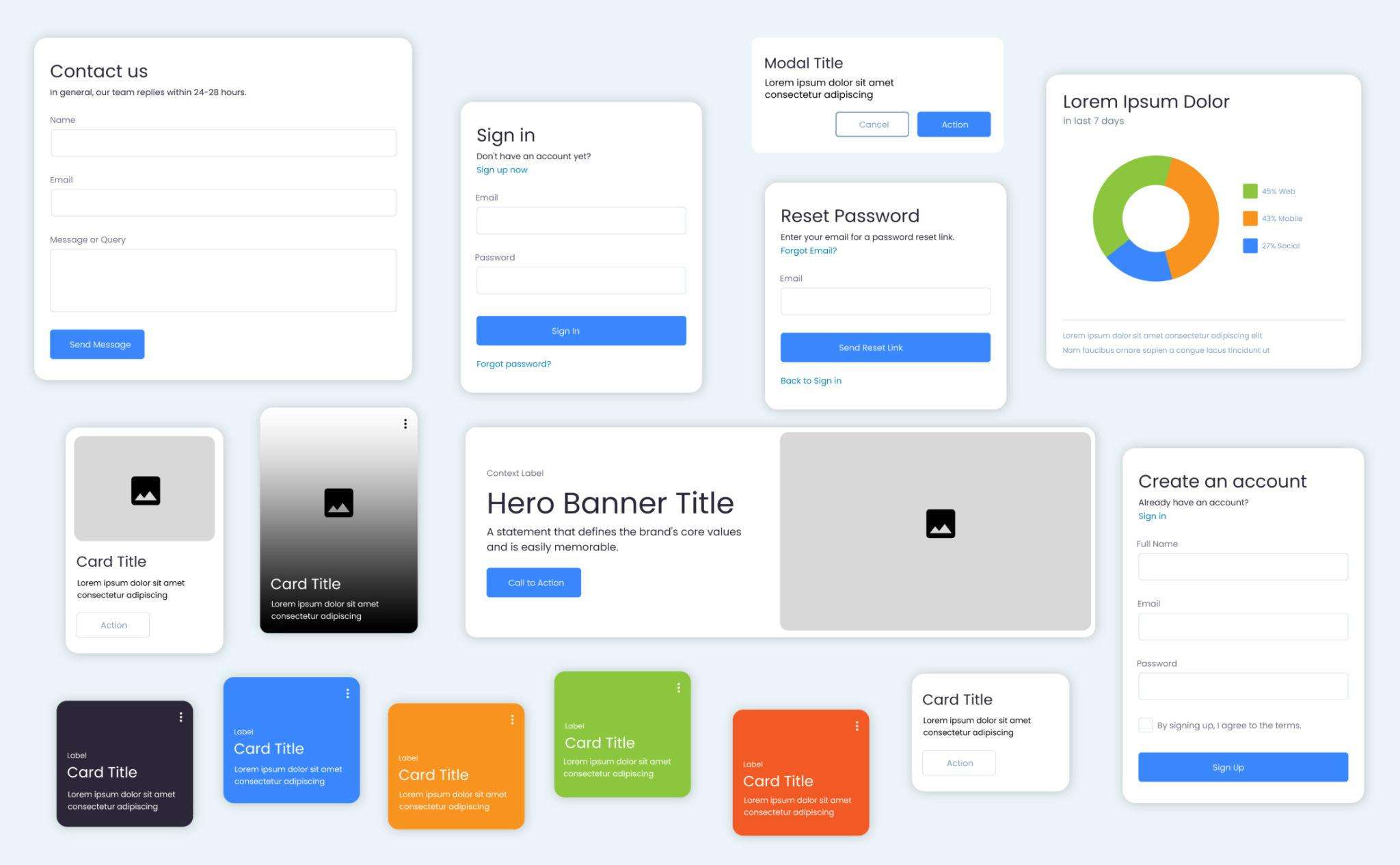
Named after the segmented compartments of a Japanese bento lunchbox, the Bento Grid is the defining layout system of 2026 web design. It replaces the old “long scroll” design with a modular, card-based grid where different types of information, product features, testimonials, trust badges, and pricing, sit side by side in a visually organised way without feeling cluttered.
Traditional web layouts force visitors to scroll through content in a fixed sequence. Bento Grids allow non-linear browsing — a visitor can immediately see a review, a key feature, and a CTA button all above the fold, without having to scroll. This dramatically reduces the number of steps between “landing on the page” and “clicking the buy button.”
Singapore e-commerce businesses that have adopted Bento Grid layouts report average conversion rate improvements of 18–25% compared to traditional long-form service pages, based on A/B testing data from our clients in the retail and F&B sectors.
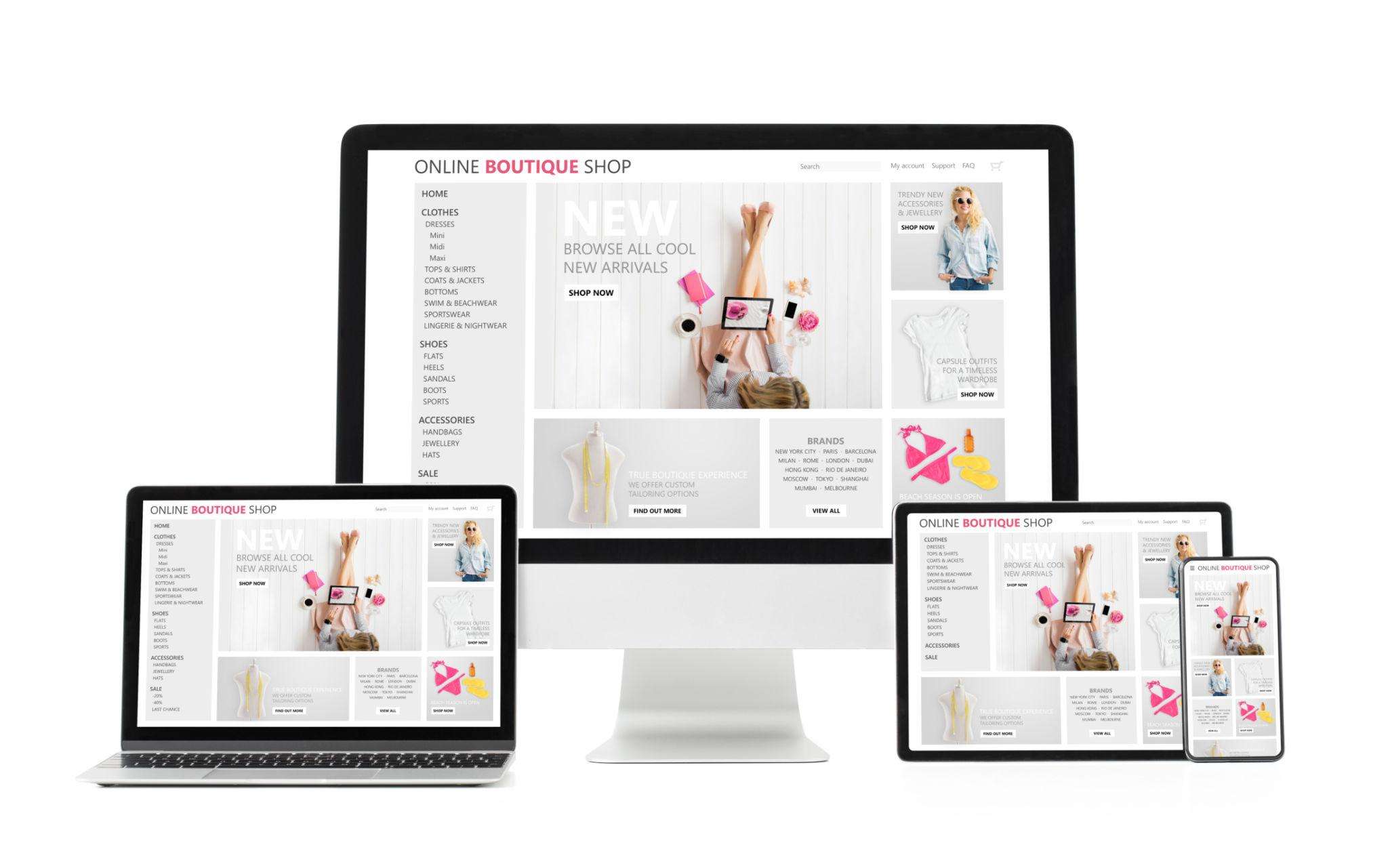
One of the most practical advantages of Bento Grid design is mobile responsiveness. A 3×3 desktop grid collapses gracefully into a single-column stack on mobile — each card remains fully self-contained, so no information is lost or awkwardly truncated. Given that 80%+ of Singaporean consumers browse on mobile before making a purchase decision, this seamless adaptation is not optional; it is essential.
Static text is being left behind in 2026. Kinetic typography, text that moves, scales, or responds to the user’s scroll position, has emerged as one of the most effective tools for guiding visitor attention on a modern website without using intrusive pop-ups or aggressive design.
When a headline subtly grows larger as a visitor scrolls into that section, the brain instinctively registers it as important information. This is not a gimmick; it is applied psychology. Kinetic typography uses the same attentional reflex that makes us turn our heads when something moves in our peripheral vision. Used correctly, it creates a natural reading rhythm that keeps visitors engaged for longer and more engaged visitors convert at significantly higher rates.
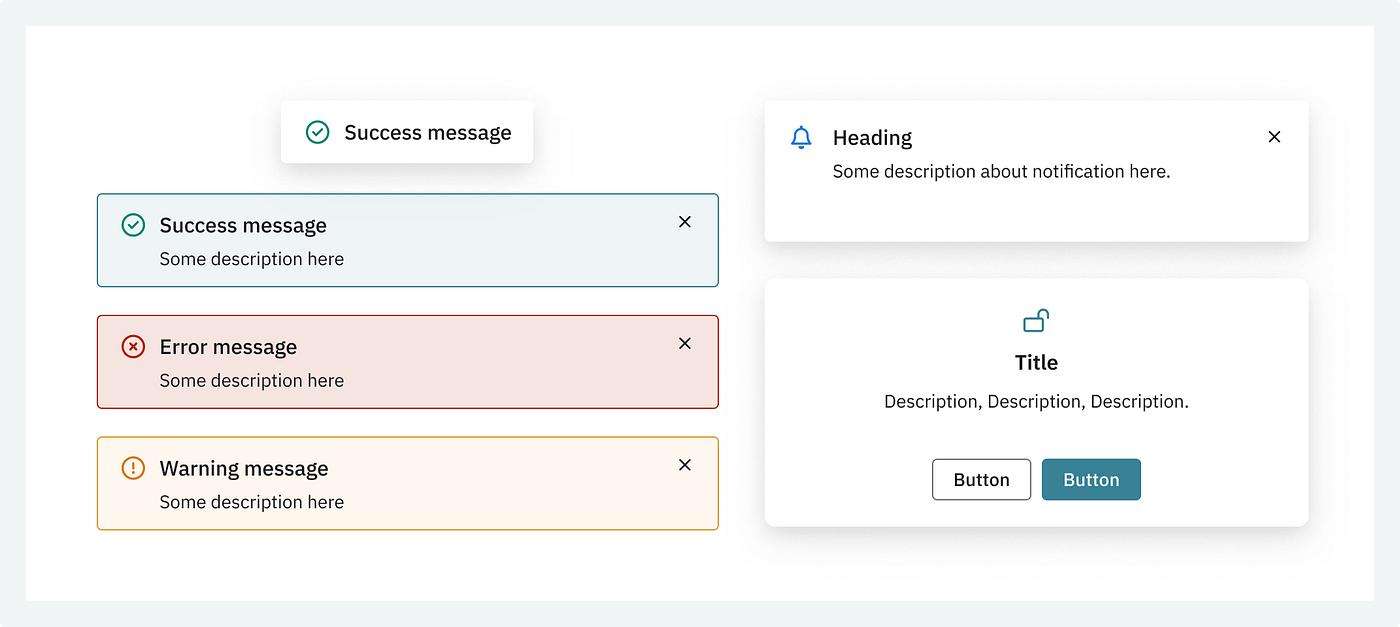
Micro-interactions are the tiny, subtle animations that respond to user actions: a button that changes shade when you hover over it, a form field that glows green when filled in correctly, a progress bar that animates while a file uploads. These details seem minor, but they serve a critical psychological function — they make the website feel responsive, as if a real person is immediately acknowledging every action you take.
For Singapore B2B service websites, micro-interactions on contact forms have been shown to reduce form abandonment rates by 12–18%. When a user sees the name field highlight green after they type their name, the perceived friction of completing the form drops significantly.
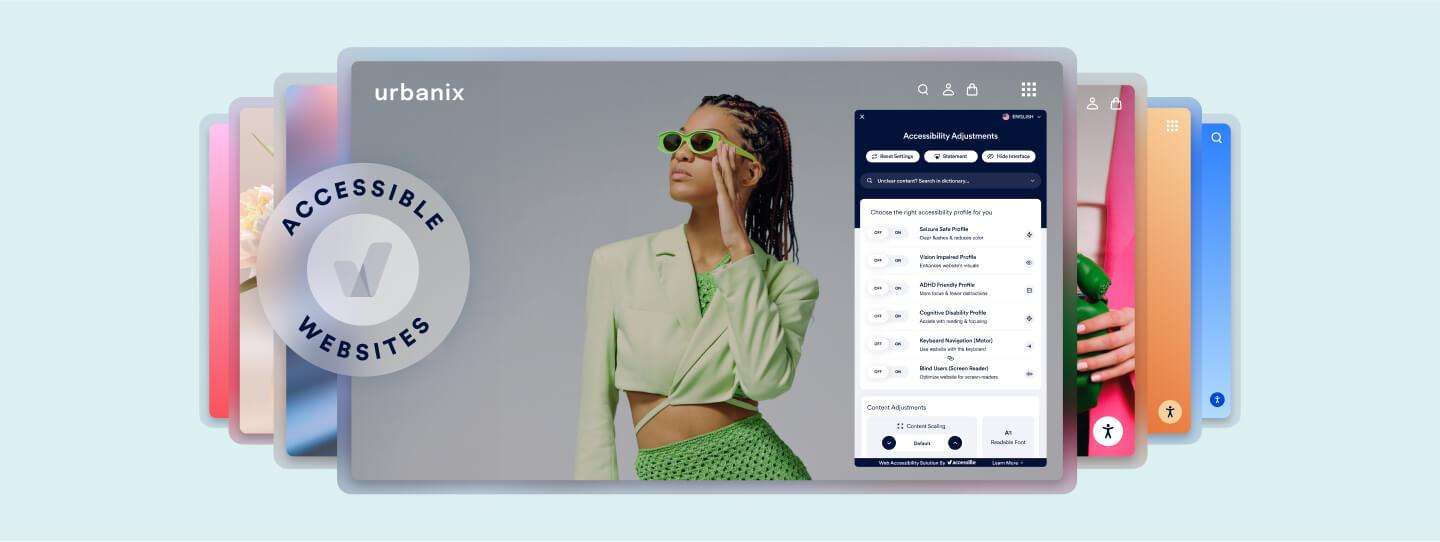
Accessibility-first design has crossed a critical threshold in 2026, it is no longer a “nice to have” compliance item. It is a direct ranking factor for Google, a legal requirement in many industries, and most importantly, a competitive advantage. Accessible websites simply perform better across every metric: SEO rankings, conversion rates, and customer retention.
Singapore’s government has been progressively updating its Digital Service Standards to align with WCAG 2.1 Level AA, and private sector adoption is accelerating. Businesses in healthcare, finance, and education sectors in Singapore face increasing regulatory pressure to meet these standards.
The era of one-size-fits-all web design officially ended in 2024. By 2026, leading Singapore businesses are implementing adaptive interface websites that dynamically adjust their layout, content emphasis, and calls-to-action based on who is visiting and how they arrived.
Here is a practical example: a visitor who arrives on your website by clicking a Google search for “how to redesign a company website” is in research mode. They want information. An adaptive interface detects this informational intent and surfaces educational content, blog posts, guides, and explainer sections prominently.
The same visitor who returns two weeks later and searches for “web design Singapore price” is now in buying mode. The adaptive interface recognises this commercial intent and immediately surfaces your pricing page, package comparison table, and “Book a Free Consultation” button. The layout physically changes based on intent signals.
The manual dark/light mode toggle has been replaced by environment-sensing automatic switching. Modern websites in 2026 detect the device’s ambient light setting and user preference via the CSS prefers-color-scheme media query, automatically adjusting contrast and brightness to keep the visitor comfortable — and browsing your site for longer.
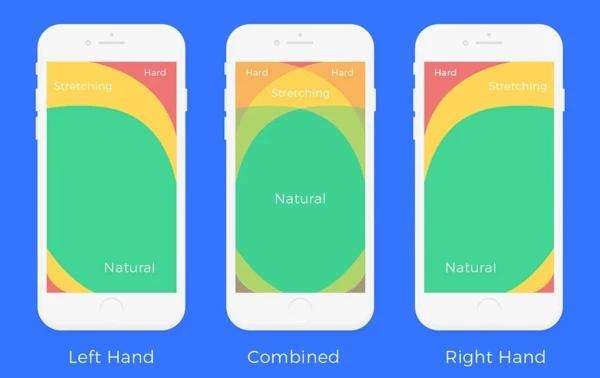
With mobile devices generating over 80% of all web traffic in Singapore, the physical ergonomics of how people hold their phones has become a core web design consideration in 2026. The thumb zone is the area of a smartphone screen that a user can comfortably tap with their thumb while holding the device in one hand, and it has fundamentally changed where navigation, CTAs, and form inputs should be positioned.
The result: primary navigation is moving from the top of the screen to the bottom. Main call-to-action buttons are anchored to the lower third of the viewport. Lead capture forms are simplified to fewer fields positioned in the naturally comfortable thumb-reach area.
A Singapore retail client of ours redesigned their mobile checkout flow by moving the “Add to Cart” button from the top of the product page to a sticky bottom bar — fixed within the thumb zone. The result was a 34% increase in mobile add-to-cart rate within the first month, without changing a single word of copy or a single product image. The only change was button placement.
“We had no idea that simply moving our call-to-action button lower on the page to where customers could reach it with their thumb would have such a dramatic effect on our mobile sales. It was the easiest improvement we have ever made.”
— E-commerce client, Singapore (retail sector)
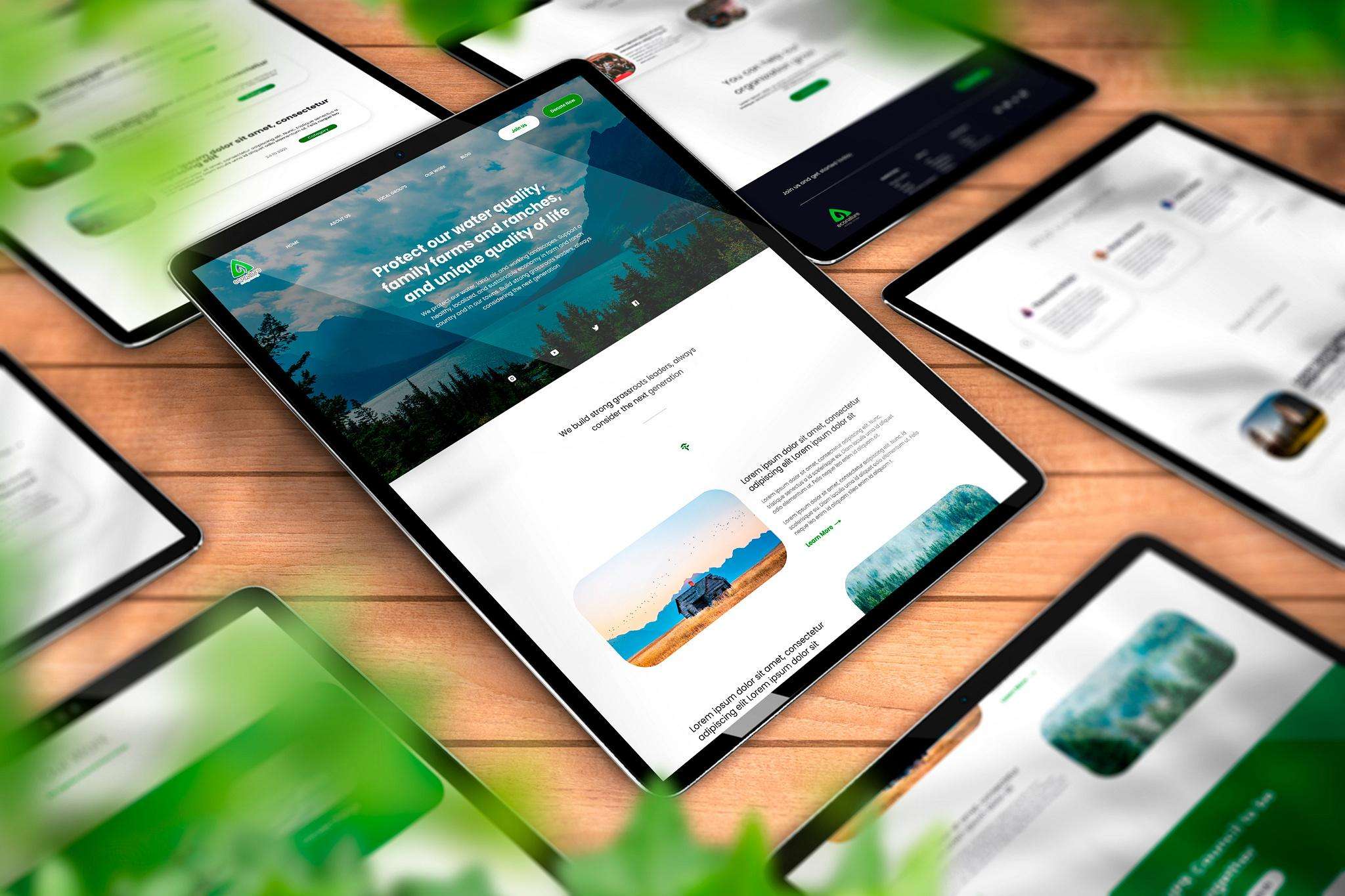
Sustainability has moved from a branding checkbox to a genuine technical design discipline. In 2026, Green UX designing websites that are lightweight, energy-efficient, and carbon-conscious is both an ethical choice and a strategic SEO advantage.
Google’s Page Experience algorithm directly penalises websites with large page sizes, excessive video files, and inefficient scripts. These are also the websites that produce the most digital carbon emissions. A heavy website that takes 8 seconds to load on a Singapore 4G connection is both bad for Google rankings and bad for the environment.
Static product images are no longer sufficient for high-consideration purchases. In 2026, 3D visuals and motion design have become accessible enough for Singapore SMEs to implement, and they are proving transformative for e-commerce conversion rates in particular.
Technologies like Three.js (open source) and Spline (no-code 3D design) allow web designers to embed interactive 3D product models, scroll-triggered animations, and motion-graphic explainers directly into web pages without requiring video files that would slow loading to a crawl.
The traditional “Testimonials” page, a static list of quotes with generic first names, is one of the least effective conversion elements in modern web design. In 2026, the most effective websites embed social proof throughout the buyer journey, at the exact moment it is most persuasive.
Subtle notification-style popups that display real-time social proof, “Kevin from Tampines just booked a consultation,” or “23 businesses enquired about this service this week” trigger the psychological principle of social validation without interrupting the user’s experience. These elements require minimal development but routinely produce 10–20% conversion rate uplifts in A/B tests.
Written testimonials are increasingly distrusted by sophisticated Singapore consumers, who are aware they can be fabricated. Short video testimonials, 30 to 60 seconds, embedded directly within the service page (not isolated on a dedicated testimonials page), provide the most compelling social proof available. A real face, a real voice, and a real result are worth more than 100 written five-star reviews.
As covered in our technical SEO guide for Singapore businesses, implementing AggregateRating schema markup means your star ratings appear directly in Google search results, increasing click-through rates by an average of 20–35% compared to listings without star ratings. This is one of the fastest, highest-ROI technical changes a Singapore business website can make.
The competitive landscape for Singapore businesses online has intensified dramatically in 2025–2026. Google’s algorithm updates have continued to reward websites that demonstrate genuine expertise, strong performance, and user-centred design, while penalising sites that rely on outdated tactics.
The cost of not adapting is no longer abstract. A Singapore business with a website built in 2020 is competing against competitors who have 2026-standard websites, better Core Web Vitals scores, richer schema markup, and more conversion-optimised layouts. Every month of inaction widens that gap.
Adopting these web design trends for 2026 delivers measurable, proven business benefits for Singapore companies:
The nine most important web design trends for 2026 are: GEO and AI-ready layouts, Bento Grid design systems, kinetic typography and micro-interactions, accessibility-first design, hyper-personalised adaptive interfaces, thumb-zone mobile navigation, sustainable Green UX, 3D motion design, and frictionless embedded social proof. Each of these trends is directly tied to conversion rate improvement and Google ranking performance.
The website design cost in Singapore for a professional redesign following 2026 web design standards typically costs between SGD 1,000 and SGD 10,000+, depending on the scope and functionality required. Businesses looking for scalable CMS solutions often choose WordPress development services for flexibility, SEO performance, and easier content management.
Conversion-focused web design is an approach where every design decision, layout, colour, button placement, page speed, and content hierarchy is made with the primary goal of turning website visitors into leads or paying customers. It prioritises the user’s intent and journey over pure aesthetics, and uses data and testing to continuously improve results.
Singapore has one of the highest smartphone penetration rates in Asia, with over 80% of web traffic now originating from mobile devices. Google also uses mobile-first indexing, meaning it uses the mobile version of your website to determine your search rankings, not the desktop version. A website that performs poorly on mobile will rank poorly on Google, regardless of how good it looks on a desktop screen.
GEO stands for Generative Engine Optimisation, the practice of designing your website so it can be easily read and cited by AI-powered search systems like Google AI Overviews, ChatGPT Search, and Perplexity. In 2026, an estimated 30–40% of search queries will return AI-generated summaries at the top of results. Websites with clear content structure, schema markup, and entity-based design are far more likely to be featured in these AI answers, driving significant additional traffic without additional ad spend.
May 14, 2026
 Mar 20, 2026
 Mar 11, 2026
We'd love to hear from you! Send us a message or Call us, and we'll be happy to set up a time to understand your needs better.